

The incoming EU Packaging and Packaging Waste Regulation (PPWR) sets a clear deadline: all packaging must be recyclable by 2030. But recyclable packaging is not the only path forward. Compostable packaging offers an alternative that is becoming crucial for specific sectors like tea, coffee, and fresh produce.
The challenge? Knowing when each option makes the most sense for your product, logistics, and brand story.
Compostable packaging is designed to break down into natural elements in industrial or home composting conditions, leaving no toxic residue.
Key advantages:
Limitations:
Recyclable packaging can be collected, processed, and turned into new products — keeping materials in circulation longer.
Key advantages:
Limitations:
Ask yourself:
At Leoprint, we develop and supply sustainable packaging for both compostable and recyclable routes:
Whether you are switching to compostable to meet consumer demand or optimising recyclable structures for compliance, our team will match the right material to your performance, branding, and sustainability goals.
In 2026, the question isn’t just "compostable or recyclable?" It’s "which one runs effectively on my line?"
Both will play a role in the sustainable future. At Leoprint, we ensure both options are engineered for high-speed performance and regulatory certainty.
There’s no one-size-fits-all answer. We help you navigate the technical and regulatory landscape to find the sustainable solution that actually works for your product and production lines.
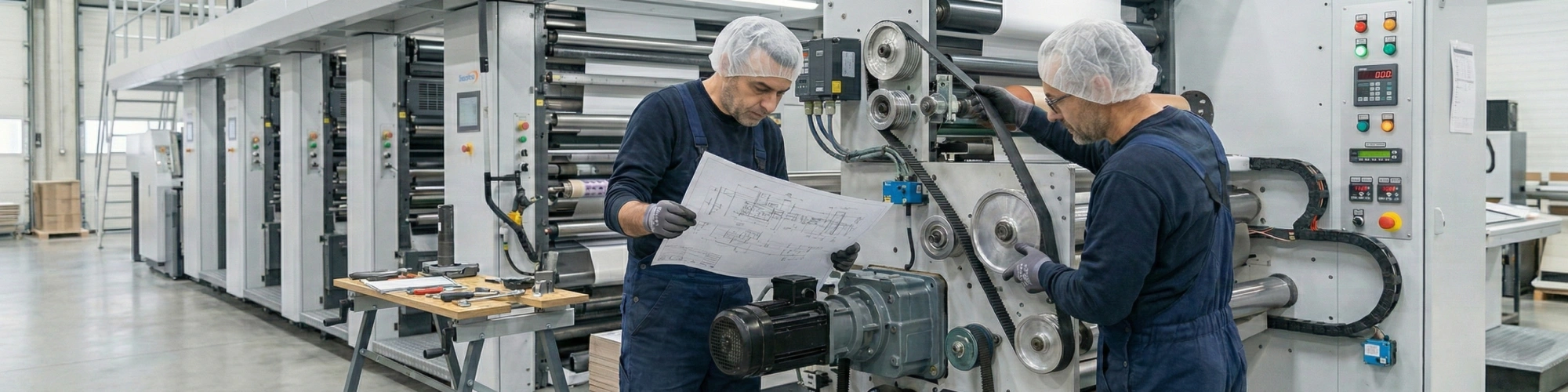
From DIY machines to high-tech flexographic printing innovation — how engineering became our business model for delivering precise, high-quality packaging solutions.

Discover how Leoprint built a people-first culture that drives innovation, quality, and sustainable packaging excellence.

See how Leoprint trains and mentors the next generation of packaging professionals in-house.
.svg)
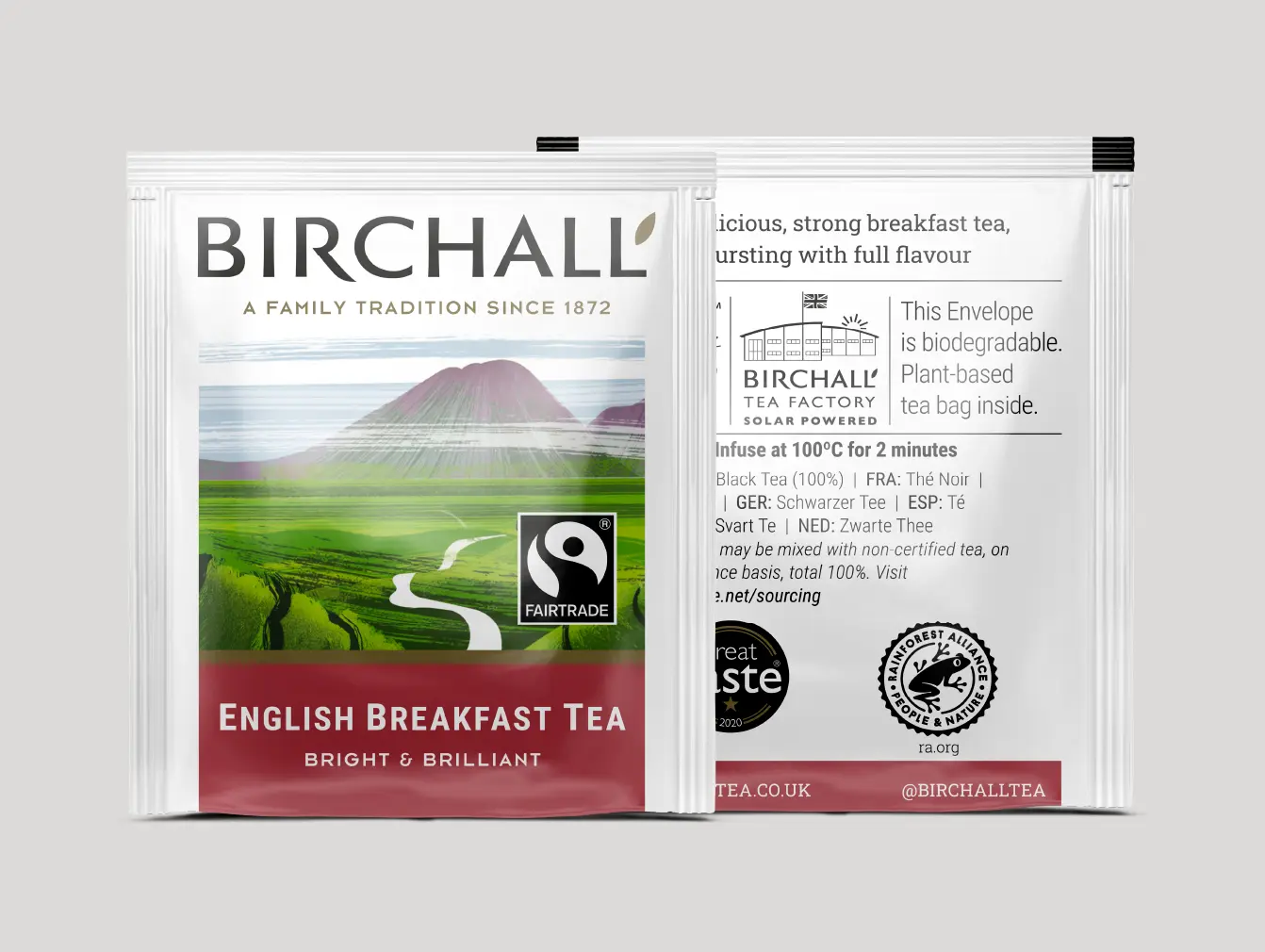
A recyclable packaging and printed packaging solution was required to maintain both premium print quality and high-speed production.
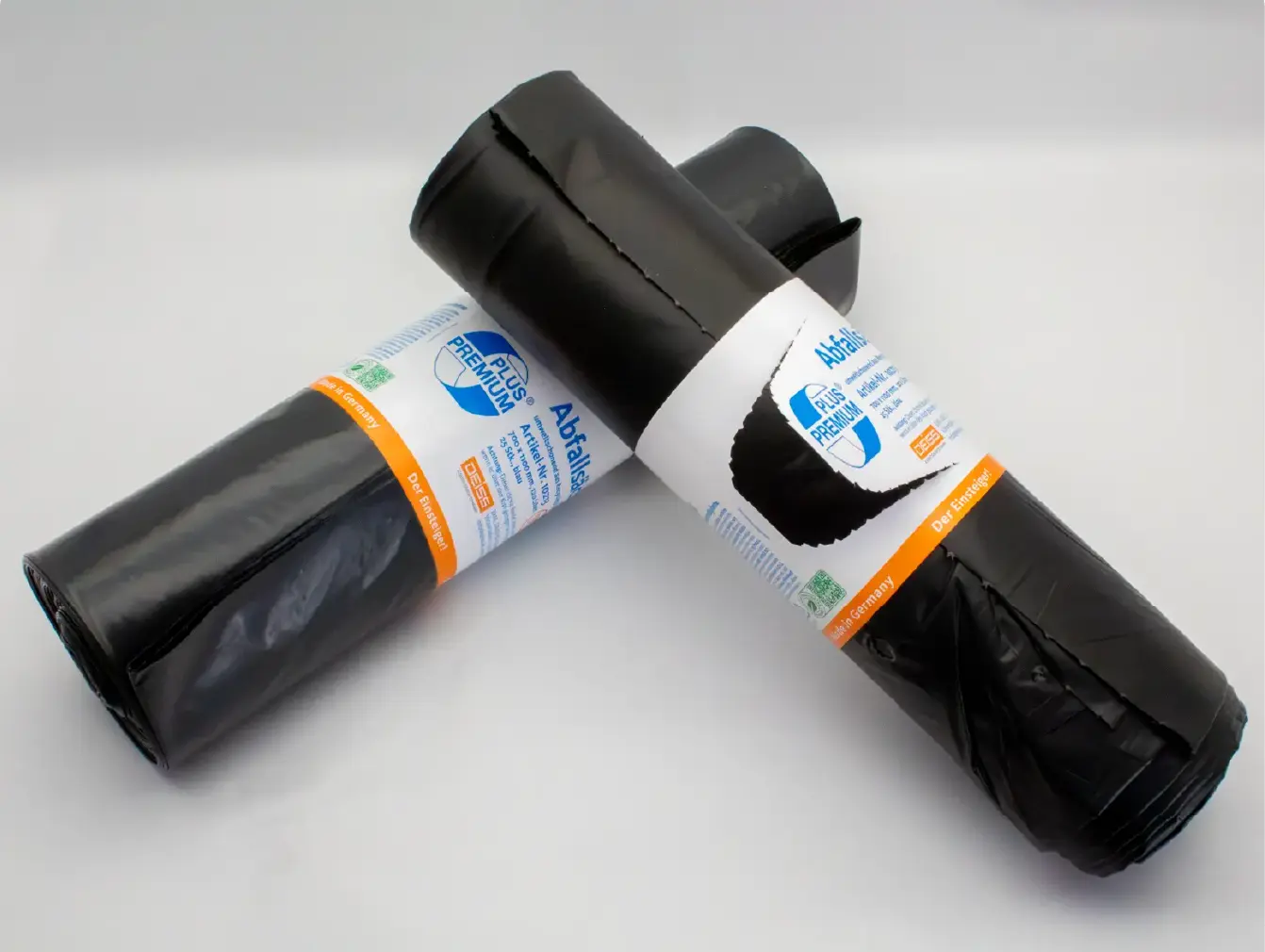
Developing an easy-open banderole for premium trash bags, requiring high technical precision and aligning with FSC certified packaging standards.
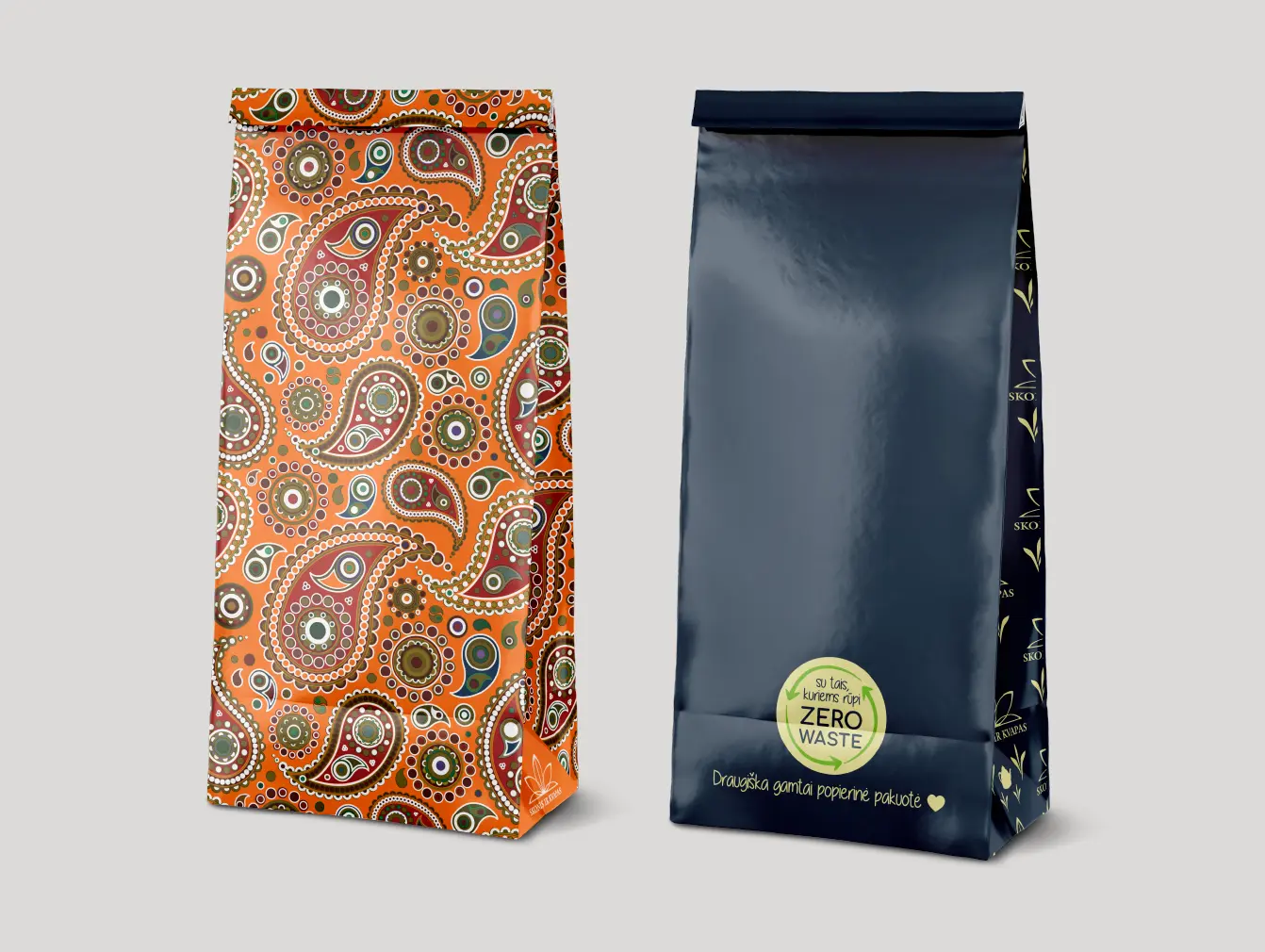
The company sought to transition retail tea product packaging to recyclable packaging without losing premium aesthetics.
A recyclable packaging and printed packaging solution was required to maintain both premium print quality and high-speed production.
Developing an easy-open banderole for premium trash bags, requiring high technical precision and aligning with FSC certified packaging standards.
The company sought to transition retail tea product packaging to recyclable packaging without losing premium aesthetics.

Replacing non-recyclable tea bag envelopes with a recyclable option for high-speed Ima C28 packing lines, without altering appearance or texture.
Whether you’re launching a new product or improving existing packaging, our team is ready to help you find the perfect solution — from concept to delivery.
A recyclable packaging and printed packaging solution was required to maintain both premium print quality and high-speed production.
Developing an easy-open banderole for premium trash bags, requiring high technical precision and aligning with FSC certified packaging standards.
The company sought to transition retail tea product packaging to recyclable packaging without losing premium aesthetics.
A recyclable packaging and printed packaging solution was required to maintain both premium print quality and high-speed production.
Developing an easy-open banderole for premium trash bags, requiring high technical precision and aligning with FSC certified packaging standards.
The company sought to transition retail tea product packaging to recyclable packaging without losing premium aesthetics.
Replacing non-recyclable tea bag envelopes with a recyclable option for high-speed Ima C28 packing lines, without altering appearance or texture.
.svg)


