When people ask what makes Leoprint different, we often reply with something unexpected: it’s our process. Not just the machines, nor the materials — but how we engineer each step of the production journey. We didn’t set out to become a process company. But over 20 years of hard-earned evolution, that’s exactly what we’ve become.
About 20 years ago, our largest client — a national bakery — rebranded its entire product line. Their new four-color label designs didn’t match our printing press, which was built for three. Rather than lose the client or outsource the job, we built a fourth print station — ourselves.
It worked. And it marked a turning point:
Today, that same spirit powers our flexographic printing technology for printed packaging and custom packaging solutions.
We realized early on that competing in a saturated market required more than low costs. It required engineering — across hardware, software and systems.
We assembled a multidisciplinary team: mechanical engineers, programmers, CAD modelers, and electronics experts. We built presses with more colors, more stations, more functionality. We delivered performance at lower investment — and faster than the market.
This allowed us to stay agile in a market dominated by two giants who controlled over 60% of the narrow-web label business.
Eventually, we pivoted from low-cost to differentiation. Instead of copying market standards, we engineered for niche applications:
Our technical team began working hand-in-hand with project leads and product developers. Each solution became a system — and the system became the value.
We’ve built our own UV LED drying systems, long before the market adapted them. We’ve pioneered solderable paper banderoles. We’ve prototyped functional barrier coating systems that reduce environmental impact. All done in-house.
“Printing isn’t magic; it’s science. My background in physics taught me to control the variables, not just hope for the best.” — Liutauras Jablonskas, Director.
Engineering at Leoprint has shifted from machines to systems, from systems to workflows, and from workflows to people.
This allows us to stay ahead in sustainable packaging — not by reacting, but by designing what’s next.
Conclusion: our product is how we build products
The greatest innovation at Leoprint isn’t a press or a laminate. It’s the process we’ve built — a culture of integrated, scientific, value-driven product engineering. It’s how we turn constraints into capabilities. And it’s why our clients don’t just buy packaging — they buy certainty.
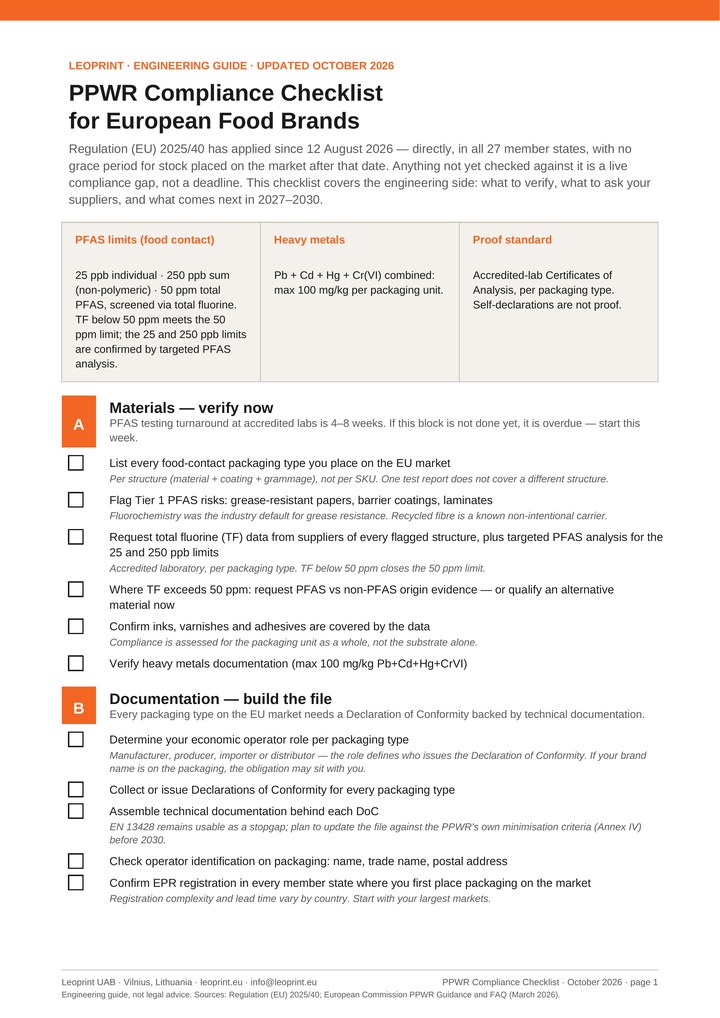
A two-page checklist for getting food packaging ready for the EU PPWR: PFAS limits, Declarations of Conformity, EPR, and what can wait until 2030.
We don’t just print; we analyze, adjust, and engineer solutions that work on high-speed lines. Let’s look at your specific case.
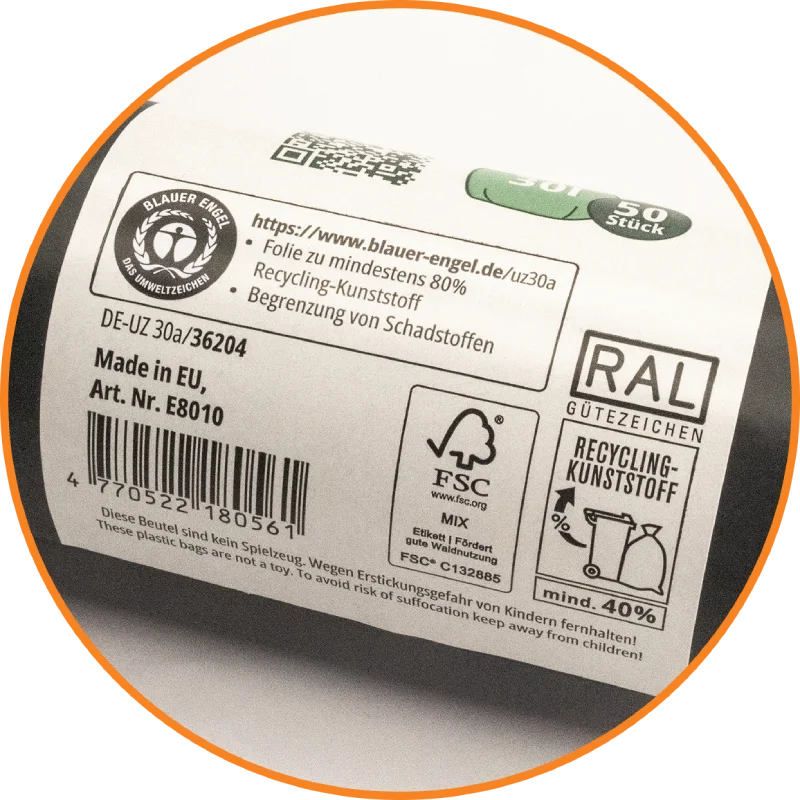
On a labelling line, a self-adhesive label is a small piece of engineering. How labels are made, how to choose materials and adhesives, and which roll details prevent first-delivery problems.
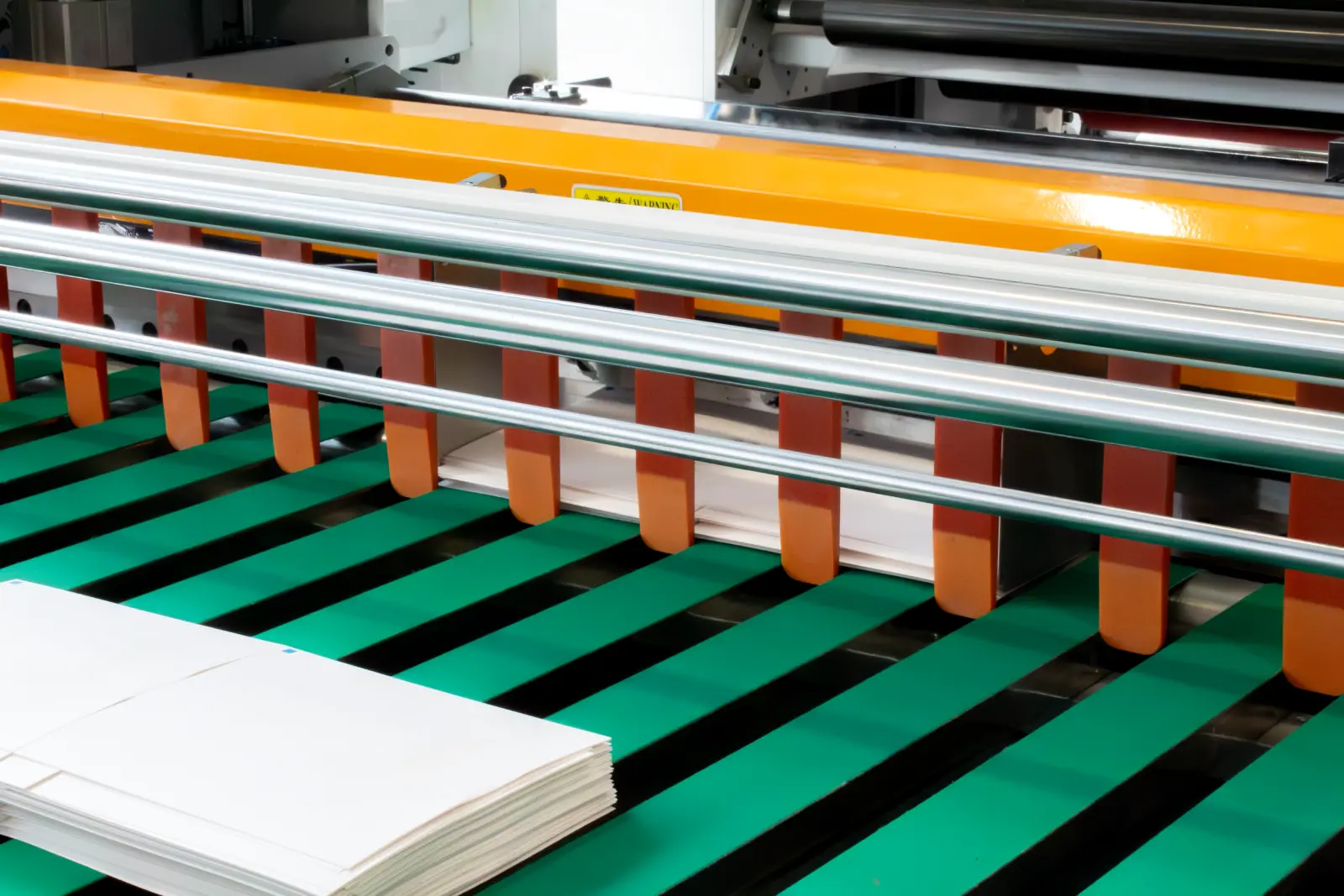
Most paper packaging and labels are printed flexo. How the press works, where it shines and where it needs care, and how to prepare artwork so your first run goes straight to plate-making.
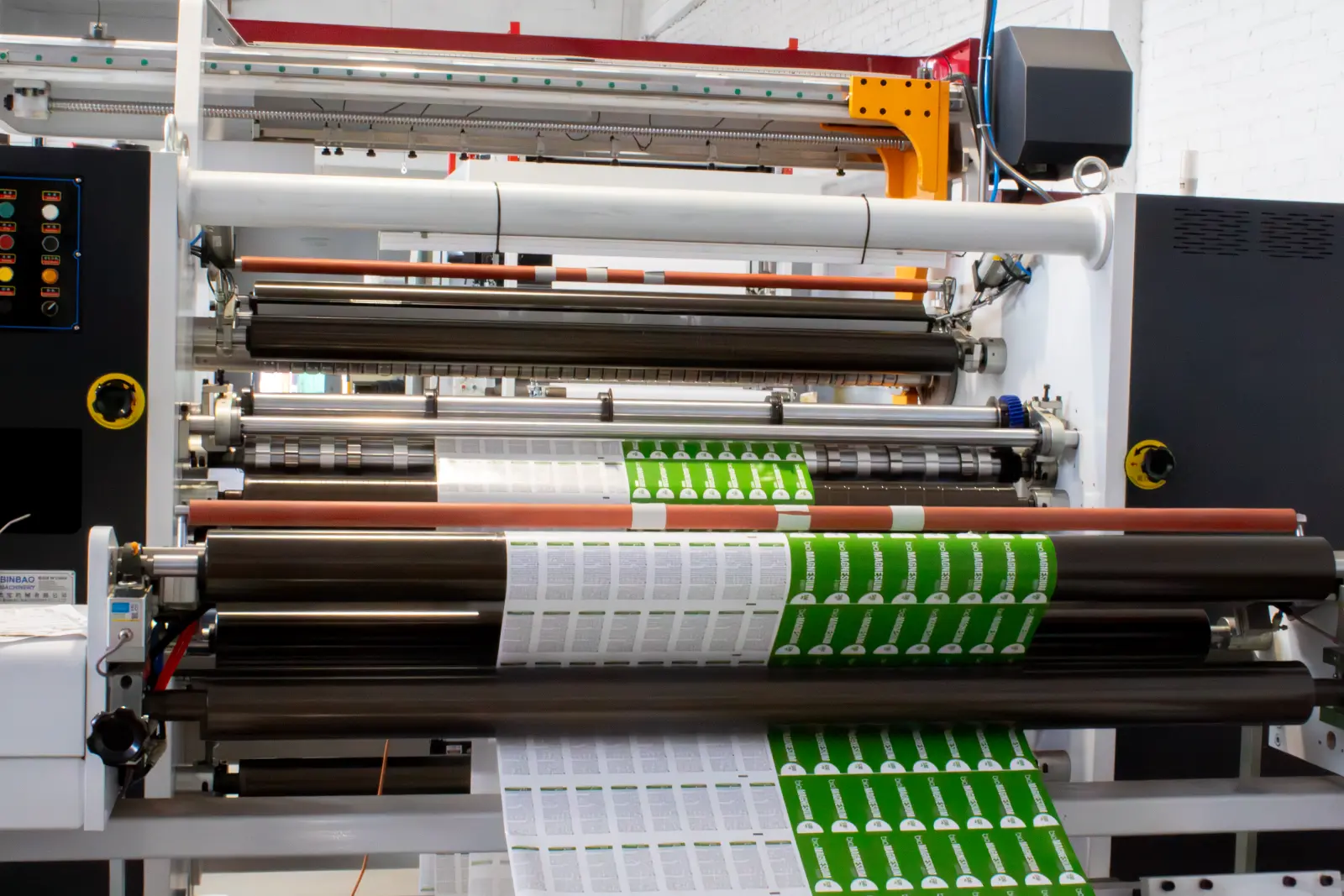
Barrier paper is how tea envelopes, sugar sticks and flow-packs are moving off plastic laminates. The properties that matter, how they are measured, the coating options and how to specify the right paper.
.svg)
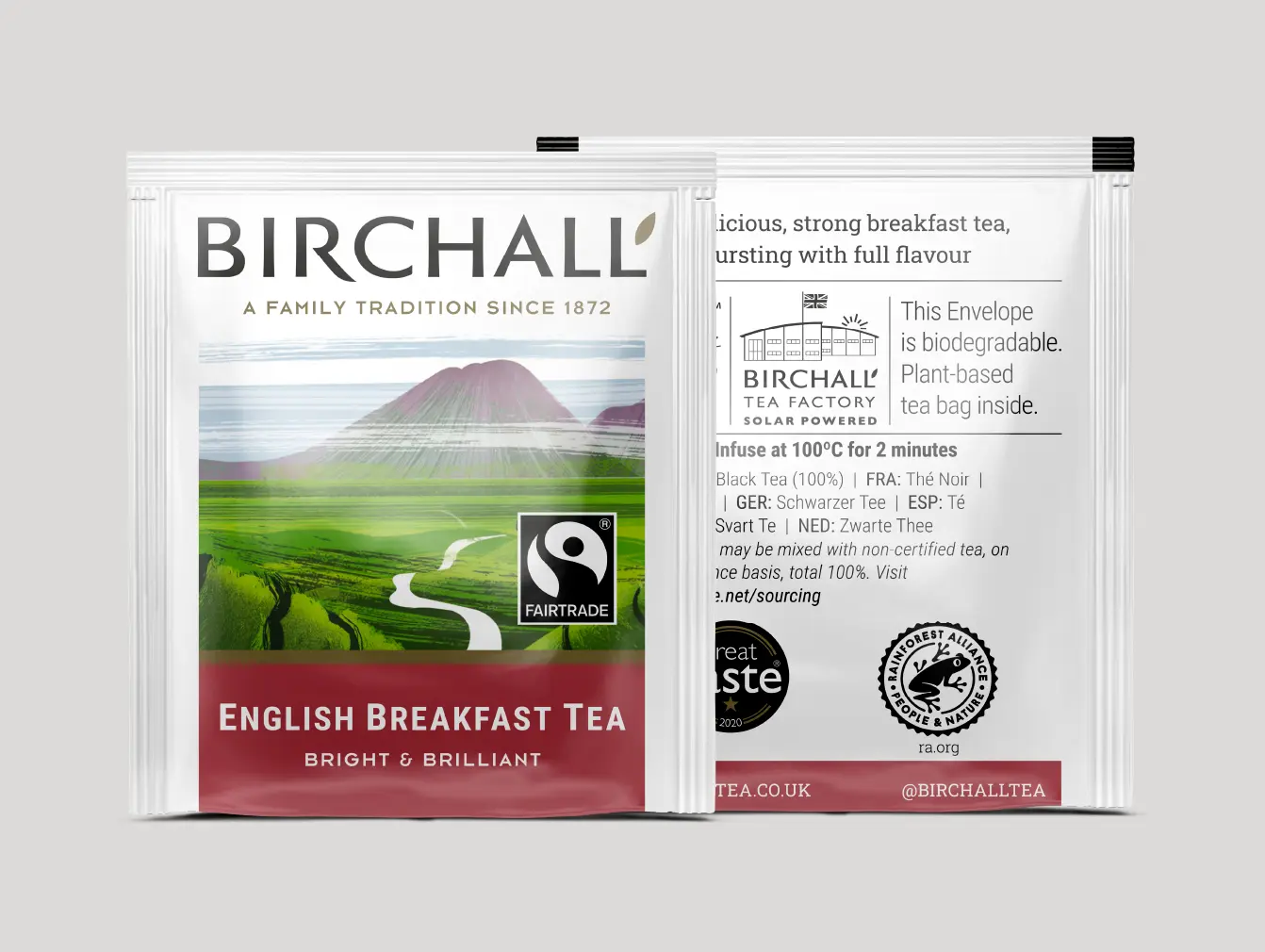
Replaced plastic with a recyclable barrier paper engineered to run flawlessly on fast packing machines without compromising the premium tactile feel.
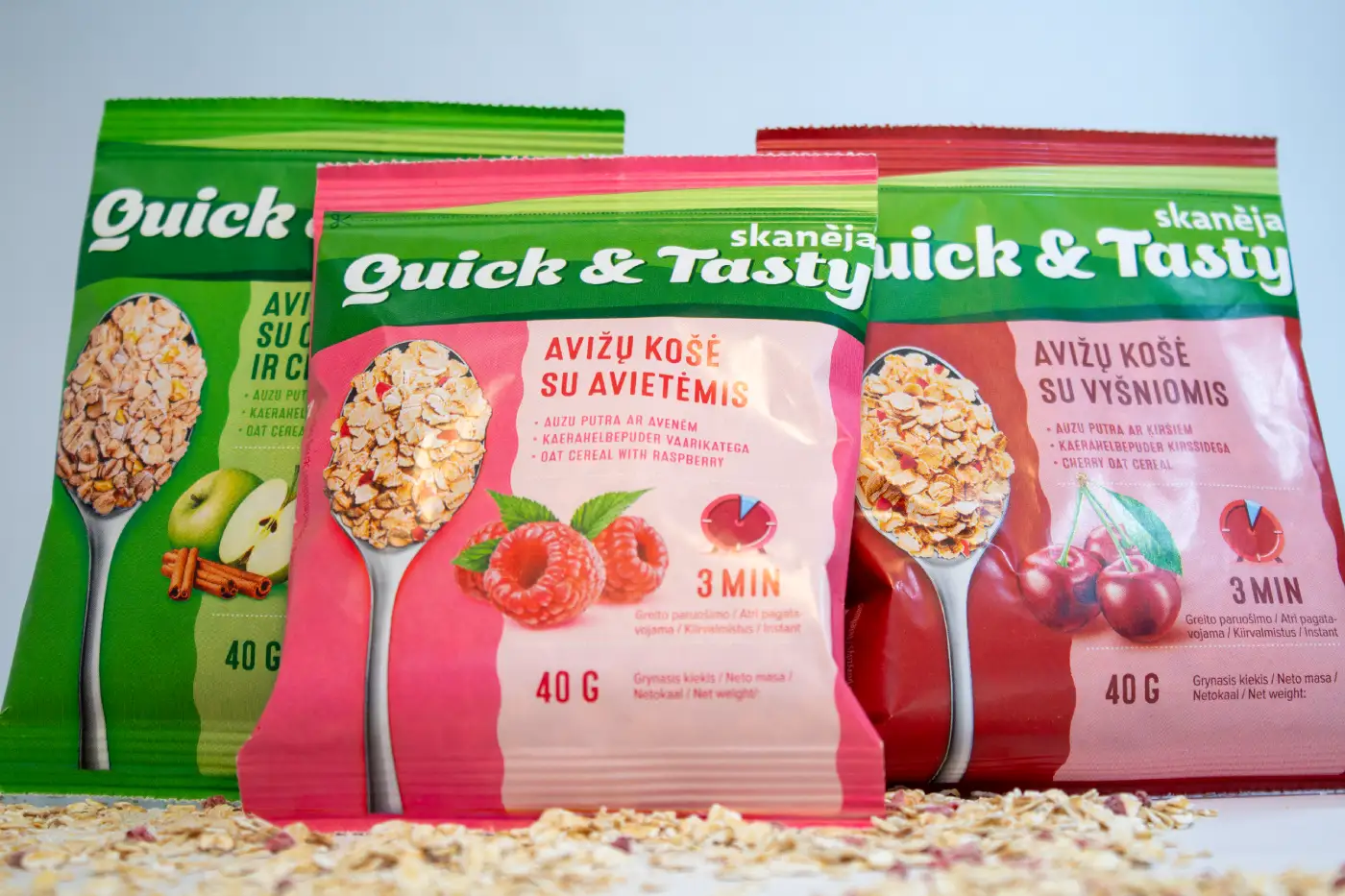
A recyclable paper alternative (PAP 22) that matched the mechanics of legacy plastic films, requiring zero speed loss or expensive machine modifications.
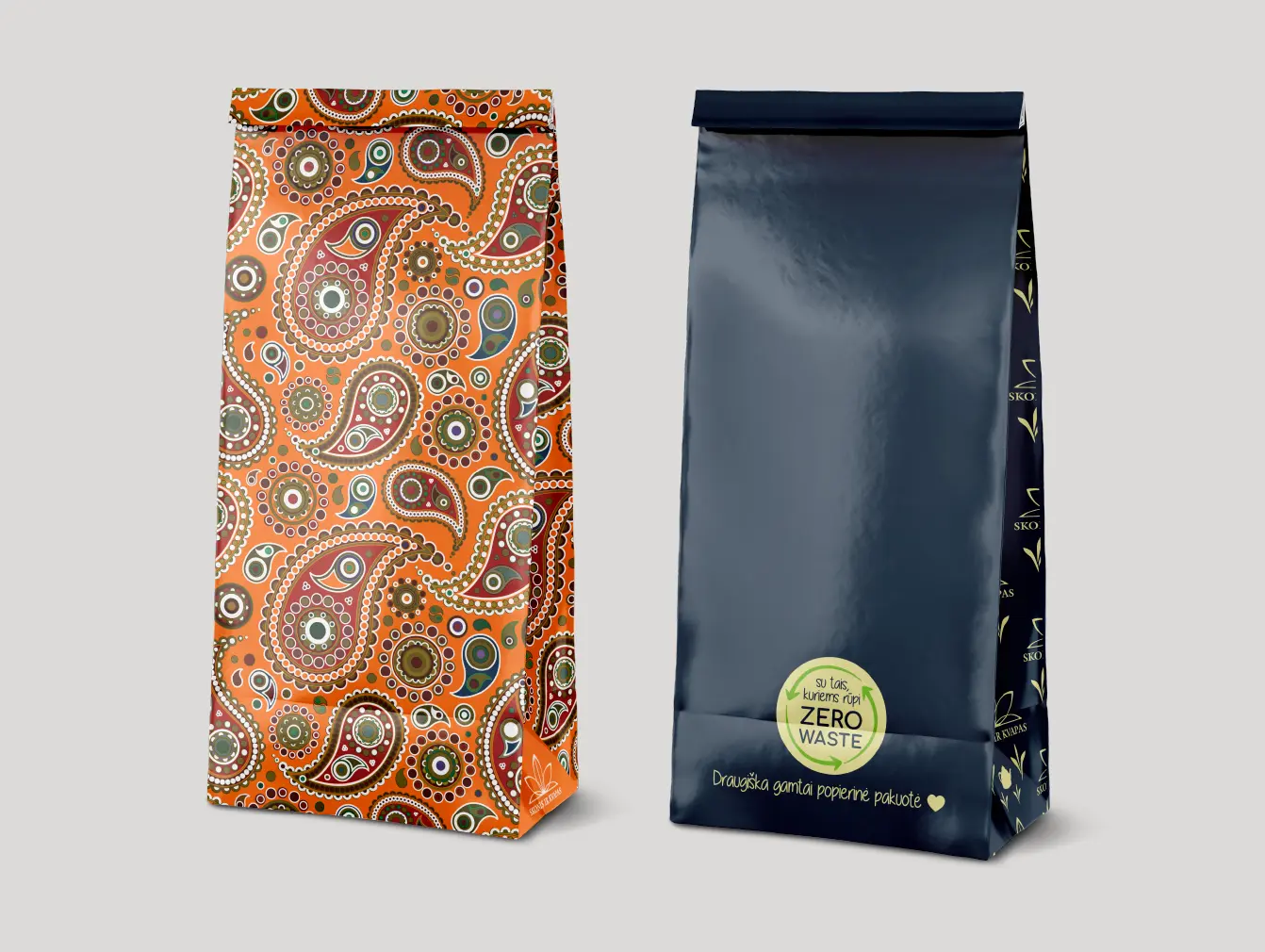
Proving that mono-materials can look premium. We engineered a protective barrier coating that maintains shelf-life while allowing for intricate, vibrant flexo printing.
Replaced plastic with a recyclable barrier paper engineered to run flawlessly on fast packing machines without compromising the premium tactile feel.
A recyclable paper alternative (PAP 22) that matched the mechanics of legacy plastic films, requiring zero speed loss or expensive machine modifications.
Proving that mono-materials can look premium. We engineered a protective barrier coating that maintains shelf-life while allowing for intricate, vibrant flexo printing.
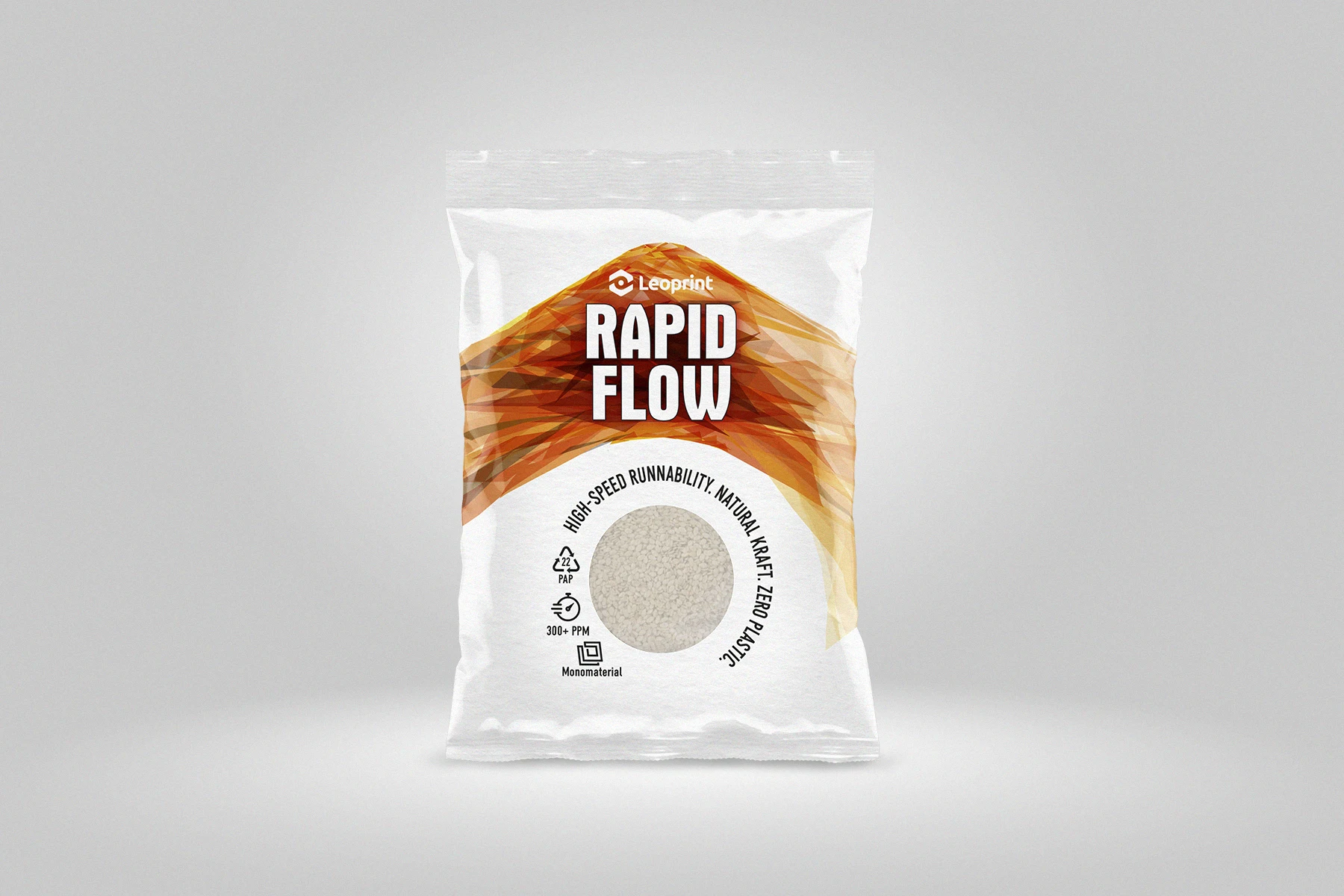
We engineered a PAP 22 kraft paper flow-pack with a crystal translucent window — a direct drop-in for BOPP/PE films, validated at 300+ PPM with zero machine modifications.
Printing isn't magic; it's physics. We control the variables so you don't have to.

.svg)
.svg)

.svg)