The sustainable bridge to high-performance recyclable packaging. We transform standard paper into functional substrates for plates, cups, and straws.

The sustainable bridge to high-performance recyclable packaging. We transform standard paper into functional substrates for plates, cups, and straws.
We offer specialized toll-coating and conversion services for manufacturers seeking to eliminate non-recyclable materials. Our water-based dispersion technology provides a robust functional barrier while ensuring the final product remains fully repulpable.
Why our coating technology is superior for conversion:
Disposable plate, paper cup & container converters, sustainable straw producers, flexible packaging manufacturers and brands transitioning away from wax/PE structures.

FSC®-certified paper available on request (license number FSC-C132885)

Recyclability

Eliminates recycling issues associated with wax ("stickies") and plastic separation, enabling a 100% paper recovery stream.
Tunable barrier levels (MVTR, OTR, KIT 1-12) engineered to match your specific product requirements, from bakery to frozen goods.
Superior thermal resistance compared to wax, preventing migration or barrier failure in hot-food applications.
End-to-end service: Coating -> Slitting -> Sheeting -> Die-cutting under one roof.


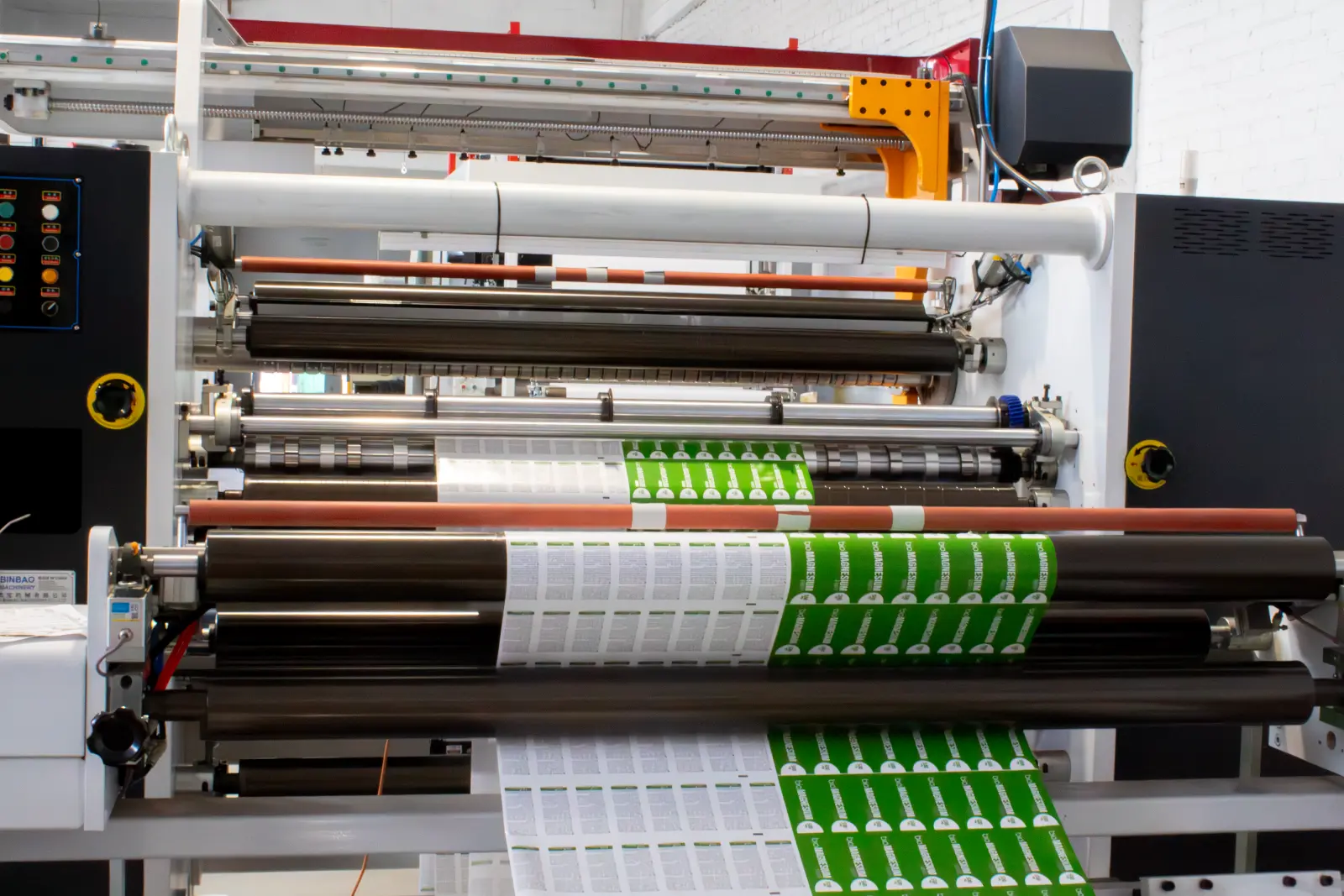
This service is for companies that make or convert paper products and need the paper itself to do more: resist grease, hold back moisture or seal under heat. Typical customers are converters of disposable plates, paper cups and food containers, producers of paper straws, flexible packaging manufacturers, and brands that want to move existing wax or PE structures to a water-based barrier. You bring the application and the machine. We deliver a coated substrate, slit or cut to the format your process takes.
As a toll-coating partner, we functionalise the paper while you keep control of your product, your converting process and your customers. This suits manufacturers who want to remove non-recyclable materials from their range without running a coating line of their own.
We apply aqueous dispersions to the base paper on our own coating line. The barrier is built as an integrated, multi-layer functional matrix rather than one heavy coat, which gives a thin and uniform result. Grease resistance, moisture protection and heat sealing are combined in that structure according to what the end product needs. Tension is controlled from the master roll onward, so the coated paper stays flat and dimensionally stable when it reaches your converting equipment.
Because the heat-seal layer is thin and even, it heats quickly and seals over a wide temperature range, much as converters are used to with polyethylene. In our sugar stick project, a high-tack dispersion coating activated at lower temperatures and sealed reliably on ultra-narrow sealing jaws, with no changes to the customer's VFFS machines.
We coat Kraft papers, Testliner and graphical papers. The right base depends on the stiffness, surface and print quality your end product needs, and we help you match substrate and barrier. Barrier levels are set per project and specified in the terms your quality team works with: grease resistance (KIT), water vapour transmission (MVTR) and oxygen transmission (OTR).
Coating is only half of the job. We also slit master rolls into reels, cut sheets and die-cut blanks, so the substrate arrives ready for your line. Our conversion and rotary die-cutting equipment also processes printed material with high registration accuracy. Keeping coating and conversion in one place means fewer handovers between suppliers and one team accountable for flatness, edge quality and even winding.
Wax and PE layers make paper products harder to recycle. A water-based dispersion barrier offers better recyclability and keeps the product repulpable, so the fibres can go back into paper recycling. In flexible packaging the same approach can keep non-fibre content low enough for PAP 22 classification: in our tea envelope project, barrier and inks together stayed below 5%. FSC® certified paper is available on request under licence FSC-C132885. Our article on the development of our heat-sealable barrier paper describes how in-house coating work took it from PTS 68 to a Best in Class 99.
The EU Packaging and Packaging Waste Regulation (PPWR) has applied since 12 August 2026 and raises the importance of recyclable design across packaging, including food-contact products. Replacing wax and PE with water-based barriers is one way converters and brands can prepare their ranges. Requirements depend on the product and market, so talk to our team about what applies to your application.
Send us your application, target barrier, preferred substrate, machine details and the format you need. Our team will match coating and conversion to your process and confirm what we can supply. To start a project, contact our team.
Our aqueous dispersion coatings are designed to replace wax and PE lamination on paper. Depending on the project, the coating provides grease resistance (KIT), a moisture barrier and a heat-seal layer that behaves like polyethylene on your machines. Because there is no separate plastic film, the finished product stays repulpable and offers better recyclability than wax or PE structures.
We coat Kraft papers, Testliner and graphical papers. The choice depends on the stiffness, surface and print quality your end product needs, whether that is a plate, a cup, a straw or a flexible pack. FSC® certified paper is available on request under licence FSC-C132885. Tell us your application and our team will suggest a suitable substrate and barrier combination.
That is the aim of every project. We adapt raw material parameters such as thickness and surface friction to your specific machines. The multi-layer functional matrix keeps the paper from twisting during high-speed conversion, and the thin, uniform heat-seal layer works across a wide temperature range. Share your machine details early so we can set the material up for your line.
Yes. Beyond coating, we slit master rolls into reels, cut sheets and die-cut blanks, so you receive a substrate in the format your line takes. This is how we supply material for sustainable plates, cups and straws. Having coating and conversion with one supplier reduces handovers and keeps one team responsible for flatness, edge quality and winding.
Our water-based barriers are designed to keep the paper product repulpable, unlike wax or PE coatings. In flexible packaging, a low non-fibre content allows PAP 22 classification. In one tea envelope project, barrier and inks together stayed below 5%. Recyclability also depends on the final pack design and local systems, so we review each application with you.
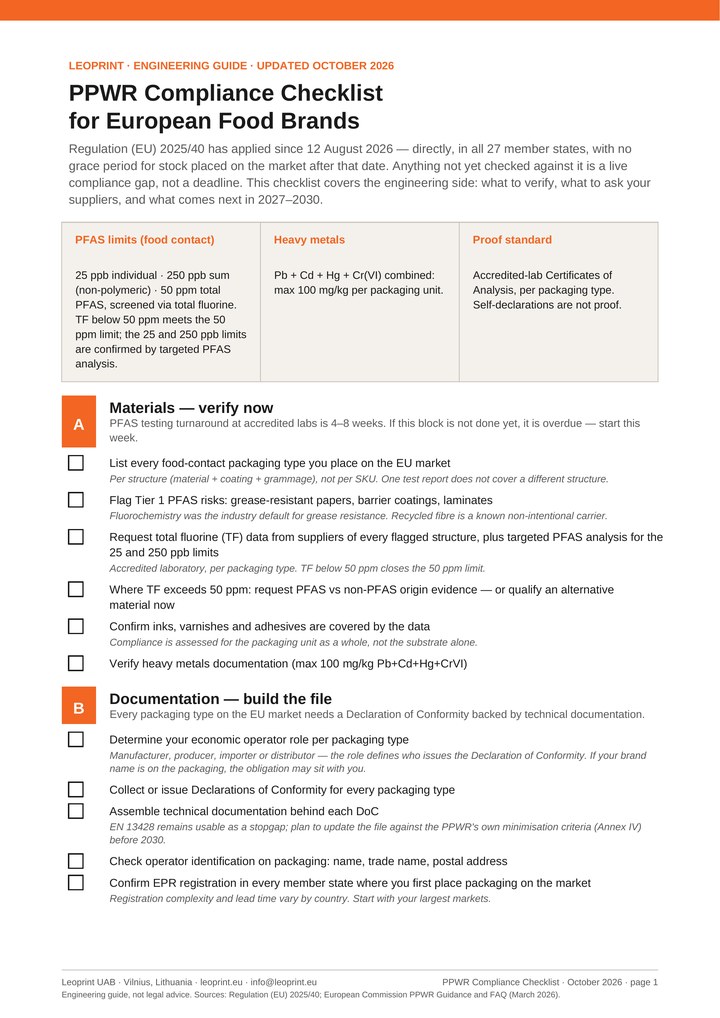
A two-page checklist for getting food packaging ready for the EU PPWR: PFAS limits, Declarations of Conformity, EPR, and what can wait until 2030.

Reinforced SOS paper bags with a rectangular base. Engineered for structural integrity and premium brand positioning via Cold Foil and Soft Touch finishes.


Versatile bakery bags featuring Translucent Paper windows for visibility. A 100% recyclable mono-material alternative to plastic-film inserts.

High-definition flexo labels validated for high-speed dispensing. Engineered on Avery Dennison & Arconvert substrates for zero-downtime.

SENSE FLOW delivers the soft-touch premium feel of plastic films using only FSC® paper — fully recyclable PAP 22, with a crystal-clear window and stable runnability on HFFS/VFFS lines.
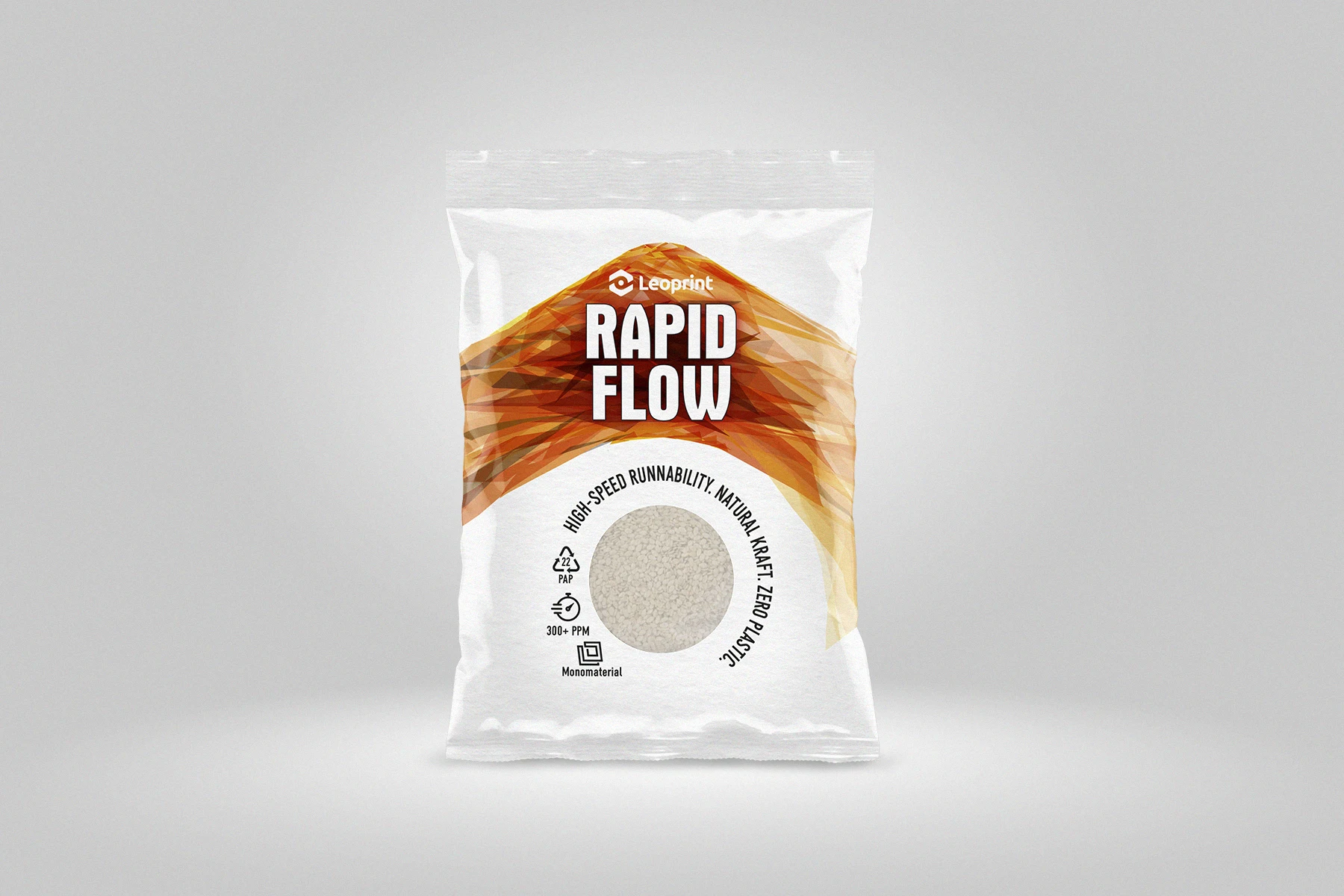
We engineered a PAP 22 kraft paper flow-pack with a crystal translucent window — a direct drop-in for BOPP/PE films, validated at 300+ PPM with zero machine modifications.
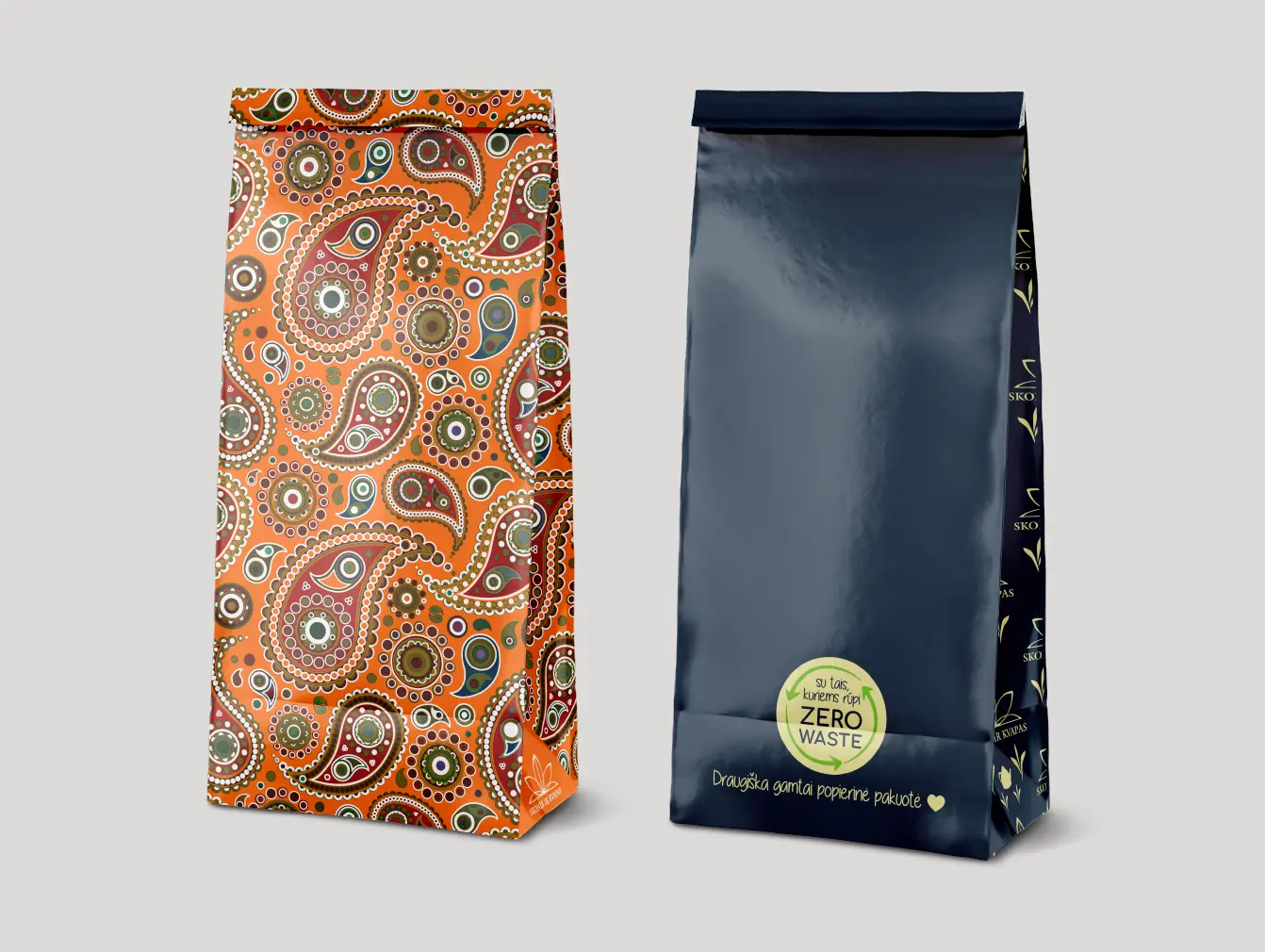
Proving that mono-materials can look premium. We engineered a protective barrier coating that maintains shelf-life while allowing for intricate, vibrant flexo printing.
Whether you’re launching a new product or improving existing packaging, our team is ready to help you find the perfect solution — from concept to delivery.