Most of the paper packaging, labels and flexible packs you see in a supermarket were printed by flexography. It is fast, it prints on almost anything that comes on a roll, and once a job is set up, the thousandth metre looks exactly like the first.
This guide explains how a flexo press works, what it prints well and where it struggles, and how to prepare artwork so your first print run comes out right. If you are deciding between flexo and digital on cost, our flexo vs digital comparison covers the economics.
Flexo is a relief process, like a very precise rubber stamp. The image sits raised on a flexible photopolymer plate wrapped around a cylinder. Each colour has its own print unit, and every unit works the same way:
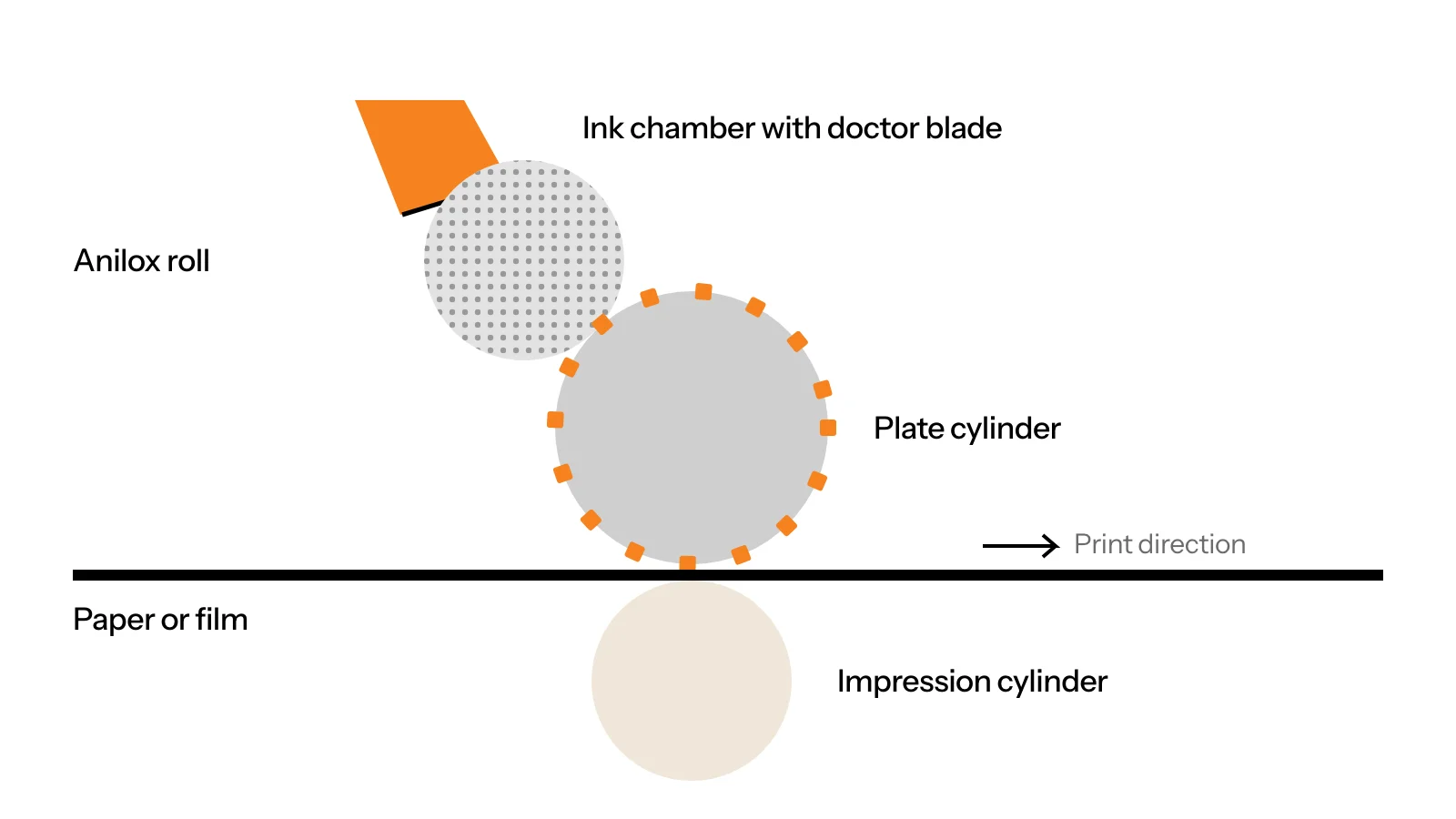
Because the ink amount is fixed by the anilox and the plate, not by software, a colour mixed to formula stays identical from the first kilometre to the last. That is the main reason brands with strict colour standards choose flexo for long runs.
| Strong at | Needs care with |
|---|---|
| Solid brand colours and spot colours, matched to formula | Gradients that fade to zero: the lightest dots can break up, so fades usually end at a few percent |
| Long runs at high speed, with consistent results | Very fine reversed text (white type out of a solid), which can fill in |
| Paper, kraft, barrier papers, films, label stock and foil laminates | Photographic detail on rough or uncoated kraft, where the surface limits sharpness |
| Printing, varnishing and converting in one pass | Very short runs, where plate costs are not paid back |
Modern HD flexo with laser-engraved plates has closed much of the quality gap to gravure and offset. The limits above are about physics, not about the press: they are why good prepress matters.
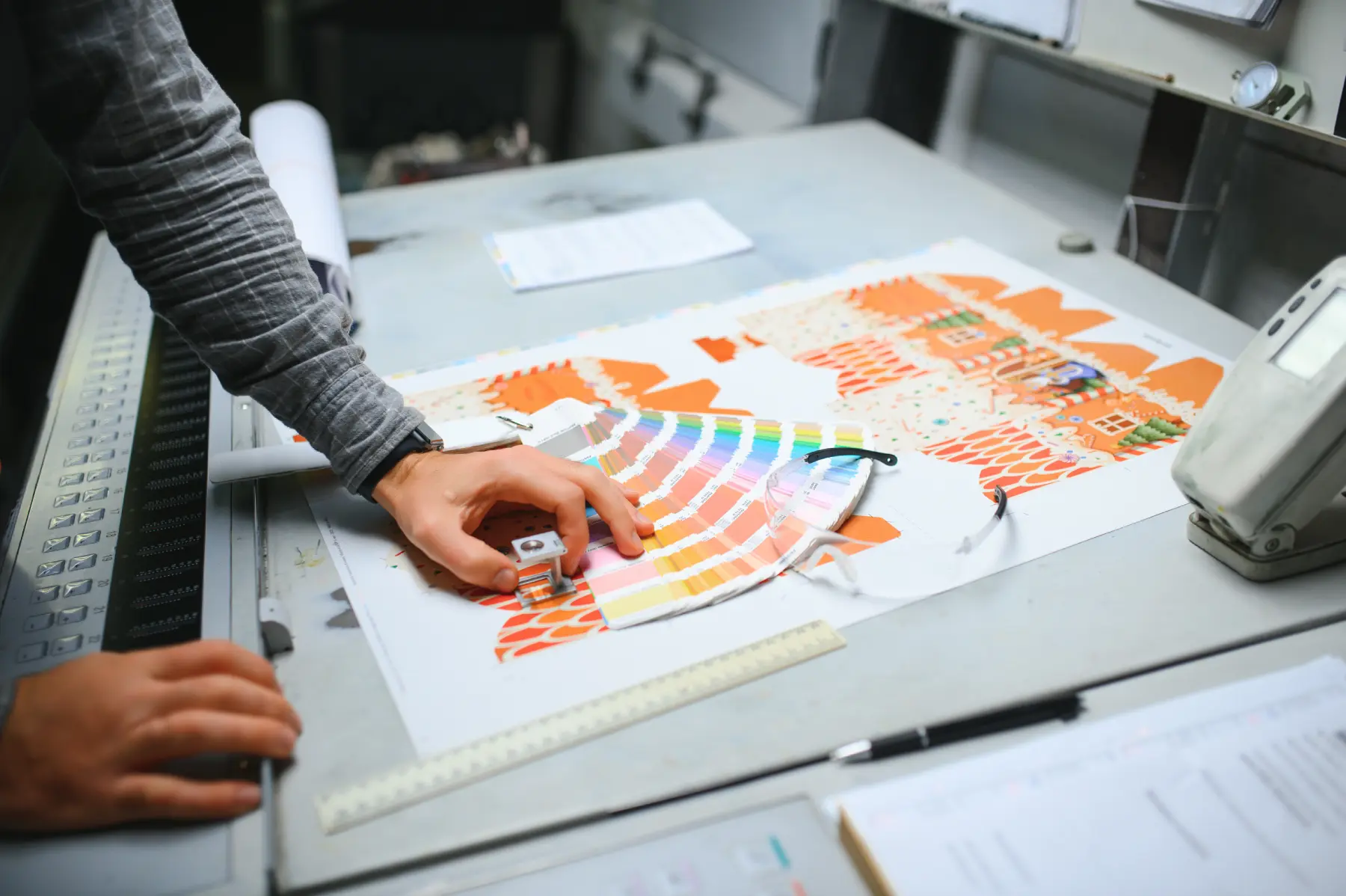
Flexo inks are transparent, so the substrate shows through. The same orange printed on white paper and on brown kraft will look like two different colours. On kraft, light colours lose strength and blues and greens shift darker.
If your brand colour has to work on kraft, plan for it: ask for a print proof on the actual material, consider a white underprint for key elements, or define a separate kraft version of the colour. Matching a Pantone reference is realistic on white paper; on kraft, agree a target with your printer instead of expecting an exact match.
Most delays on a first flexo job come from artwork, not from printing. Send files that tick these boxes and your job goes straight to plate-making.
| Item | What to send | Why it matters |
|---|---|---|
| File format | Print-ready PDF with vector text and line art | Raster text and logos lose sharpness when plates are made |
| Fonts | Embedded or converted to outlines | Avoids font substitution at prepress |
| Colours | Spot colours named exactly as they should print; no unused swatches | Each spot colour is a separate plate and print unit |
| Dieline | Our dieline, on its own layer, set to overprint | Keeps cutting and folding lines out of the print |
| Bleed | Background extended past the cut line, usually 2–3 mm | Prevents white edges after cutting |
| Small text | Positive text from about 6 pt, reversed text larger and bolder | Fine type can break up or fill in |
| Barcodes | Vector barcodes, bars running in the print direction where possible, dark on light | Printing direction affects how bar widths spread |
| Images | At least 300 ppi at final size, in CMYK or as agreed | Low resolution shows on the press |
These are good starting points; the exact minimums depend on the plate, the anilox and the material, and our prepress team checks every file before plates are made.
The engraved roll that meters ink. Cell volume, measured in cm³/m², sets how much ink reaches the plate: more for strong solids, less for fine detail.
How many lines of halftone dots per inch. Higher rulings give finer detail but need smoother materials and finer anilox rolls.
Printed dots come out slightly larger than on the plate. Prepress compensates for it with curves so tones print as intended.
A small overlap between touching colours, so tiny registration shifts never leave white gaps.
The circumference of the plate cylinder, which sets how long one printed image can be before it repeats on the web.
How precisely each colour lands on top of the others, and how precisely print lines up with cutting.
Flexo pays off when volumes are medium to large, when brand colour must be identical across runs and markets, and when the material is functional: barrier paper, heat-seal paper, labels or films that need printing and converting in one flow. For very short runs and frequent design changes, digital can make more sense; this comparison shows where the break-even sits.
We print with water-based inks on presses from 250 to 1,400 mm wide, for flow-pack paper, self-adhesive labels, banderoles and wrapping sheets. Send us your artwork or your current pack, and our prepress team will tell you what will print well and what to adjust before plates are made.
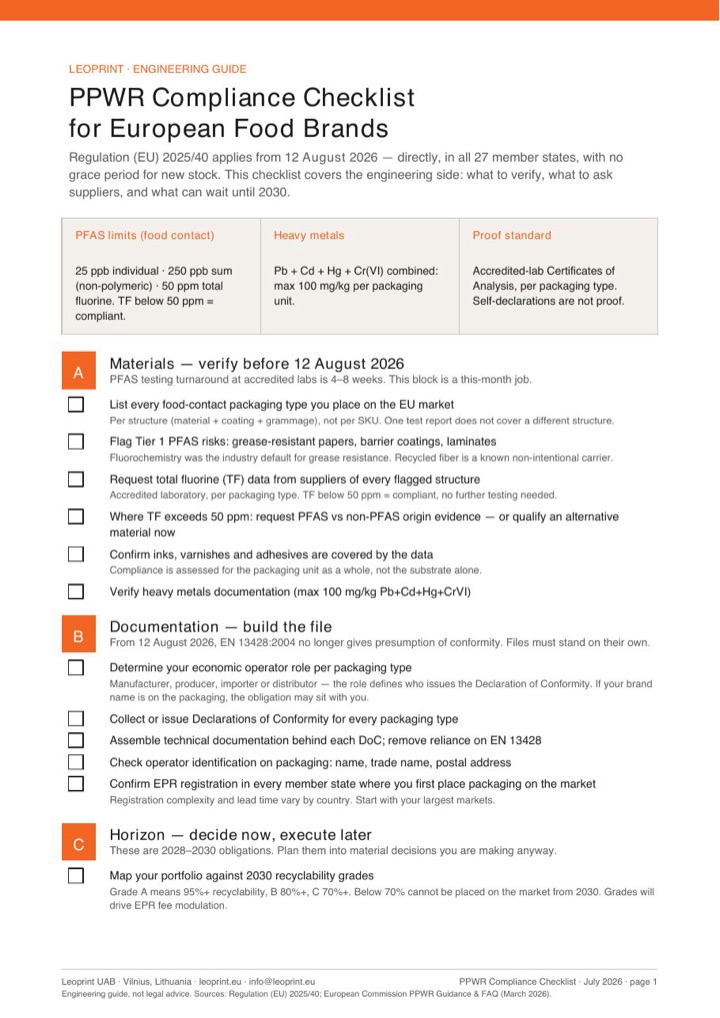
A two-page checklist for getting food packaging ready for the EU PPWR: PFAS limits, Declarations of Conformity, EPR, and what can wait until 2030.
Our prepress team checks every file before plates are made and tells you what will print well and what to adjust.
On a labelling line, a self-adhesive label is a small piece of engineering. How labels are made, how to choose materials and adhesives, and which roll details prevent first-delivery problems.
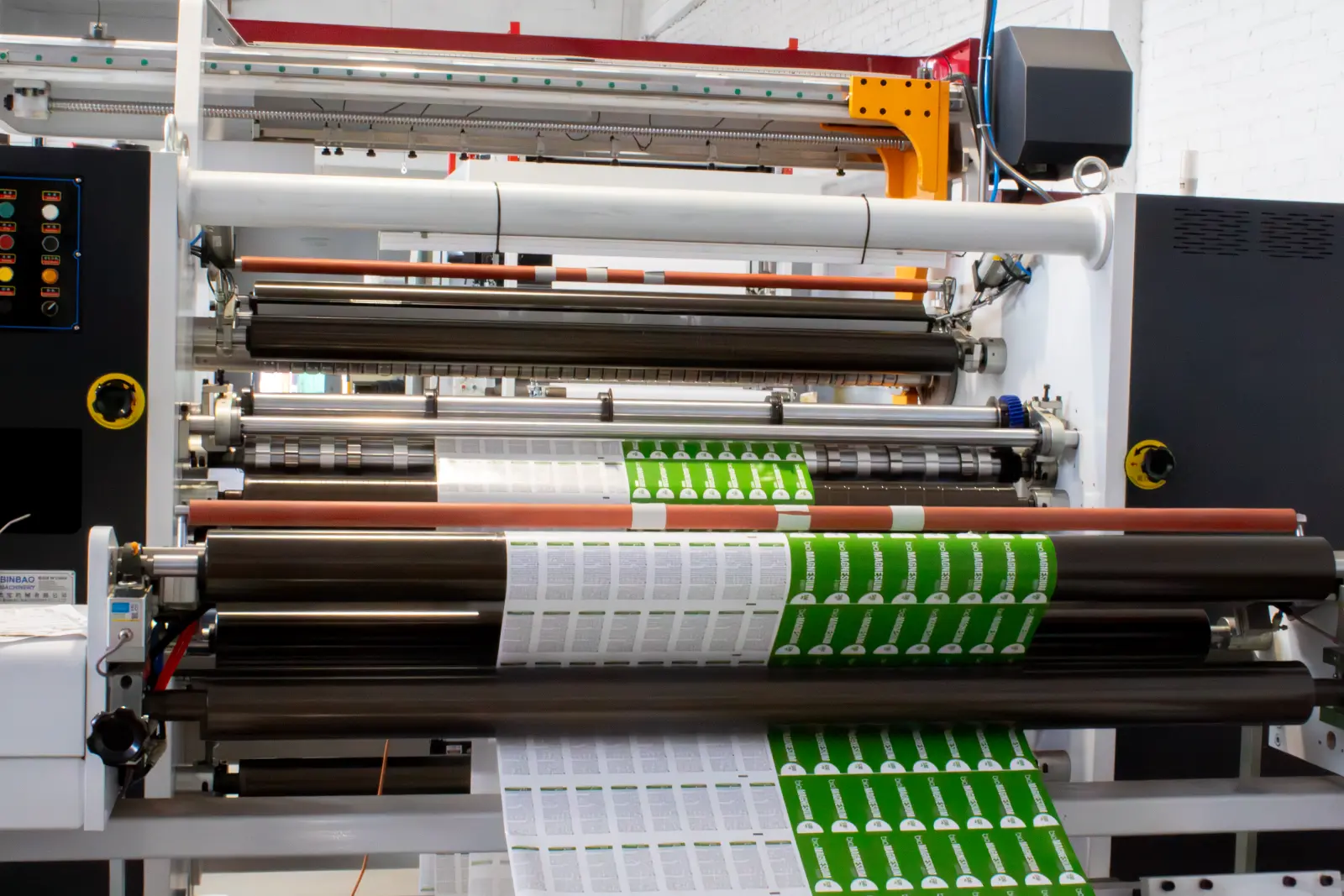
Barrier paper is how tea envelopes, sugar sticks and flow-packs are moving off plastic laminates. The properties that matter, how they are measured, the coating options and how to specify the right paper.
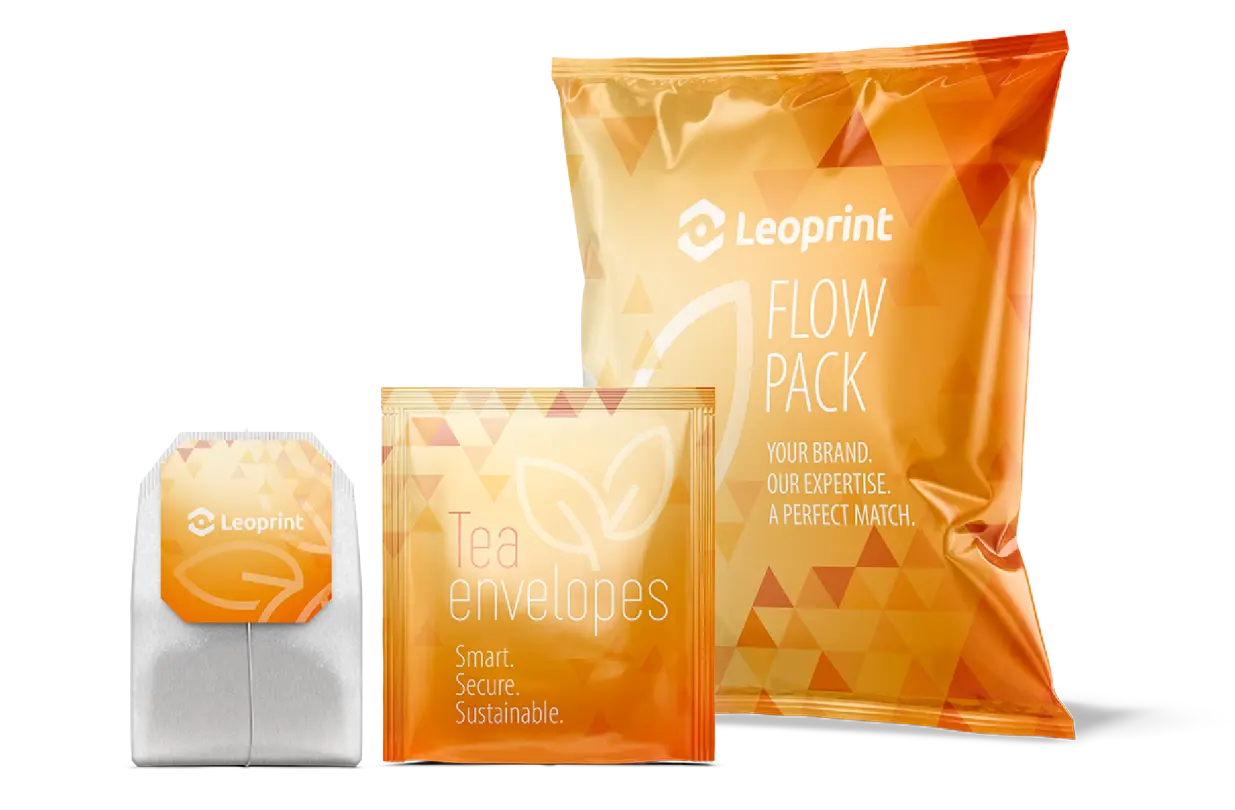
PAP 22 is printed on paper bags, flow-packs and tea envelopes everywhere, but rarely explained. What the code means, when a coated paper still counts as paper, and what the code does not prove.
.svg)
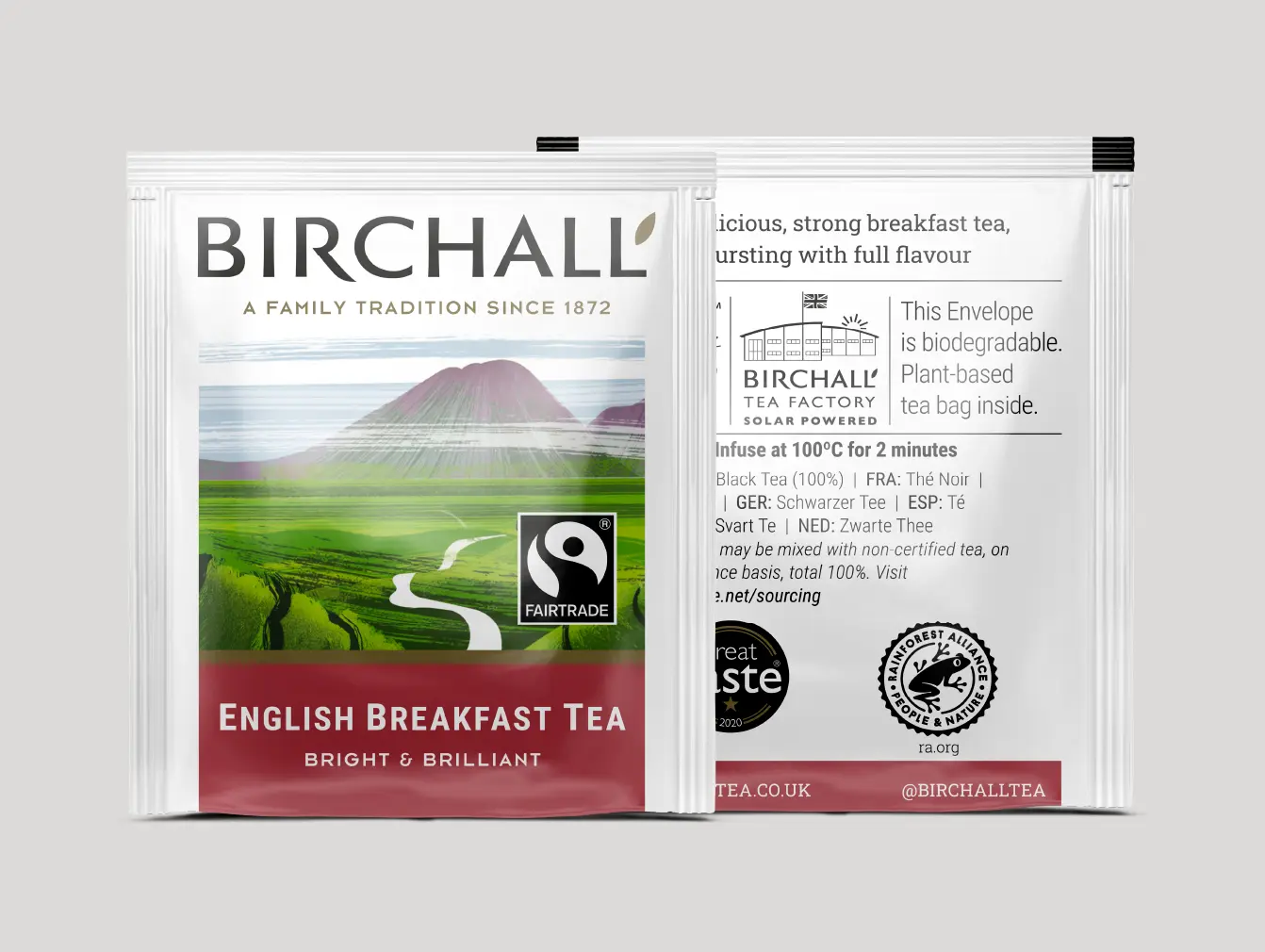
Replaced plastic with a recyclable barrier paper engineered to run flawlessly on fast packing machines without compromising the premium tactile feel.
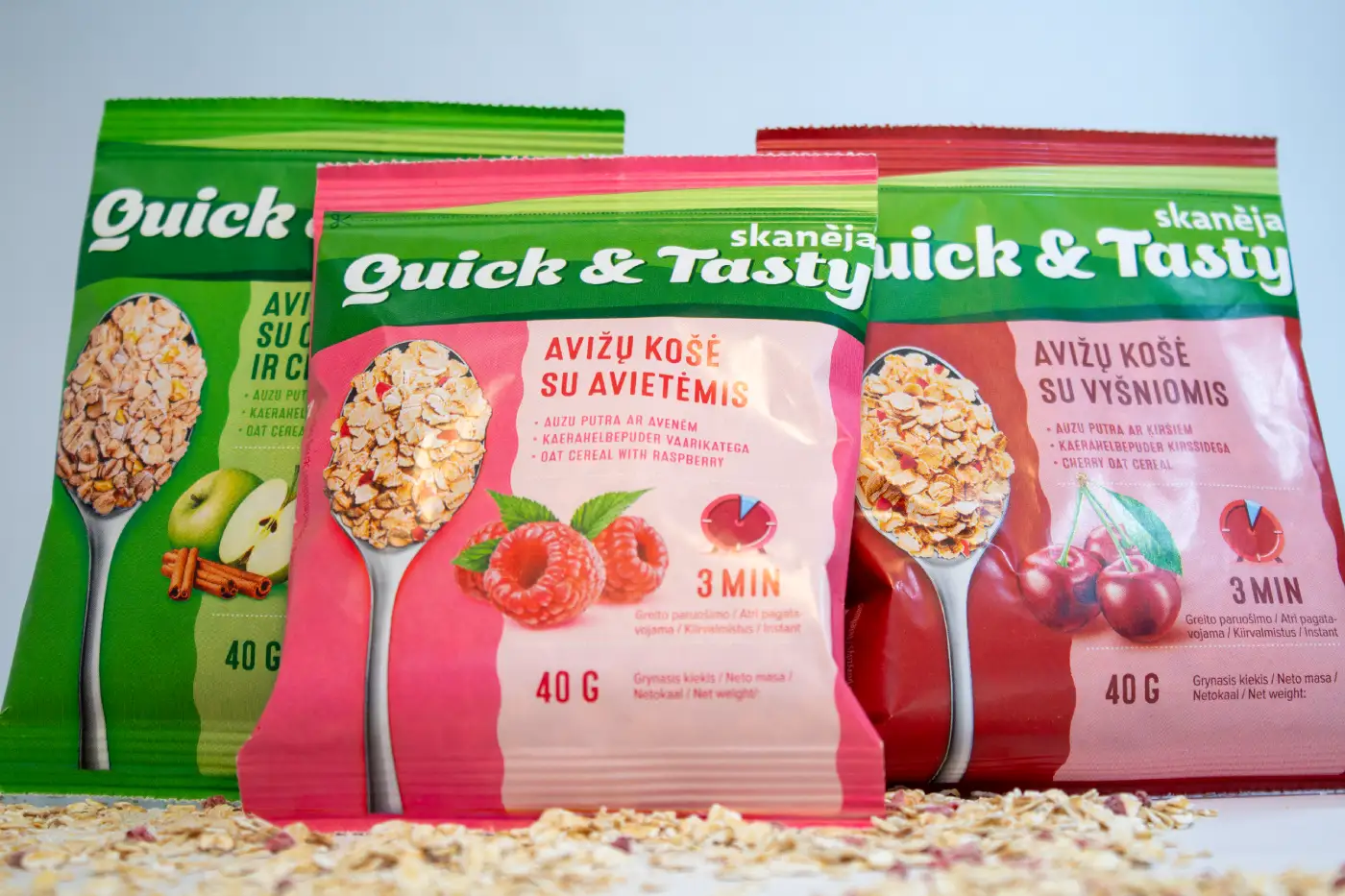
A recyclable paper alternative (PAP 22) that matched the mechanics of legacy plastic films, requiring zero speed loss or expensive machine modifications.
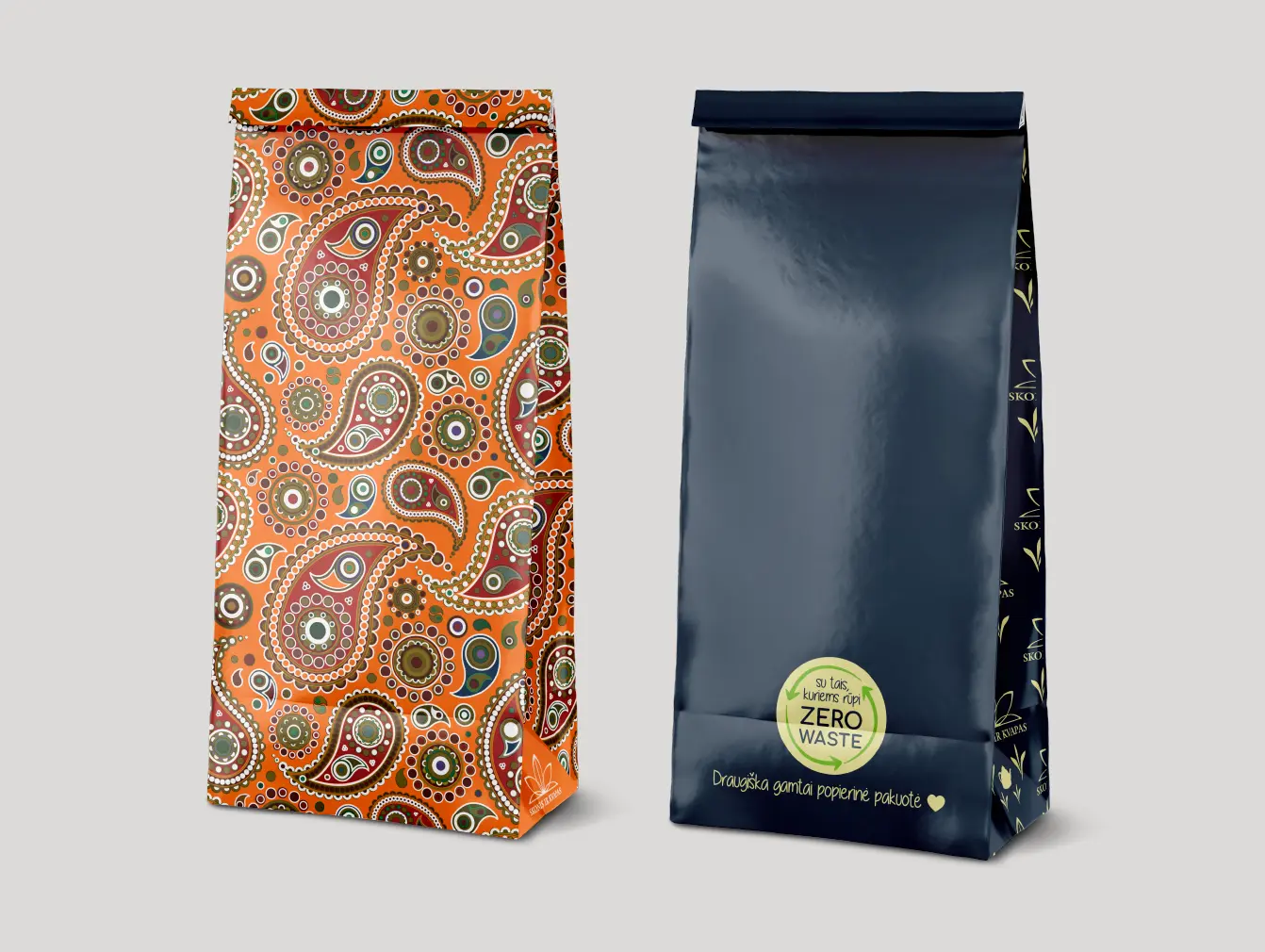
Proving that mono-materials can look premium. We engineered a protective barrier coating that maintains shelf-life while allowing for intricate, vibrant flexo printing.
Replaced plastic with a recyclable barrier paper engineered to run flawlessly on fast packing machines without compromising the premium tactile feel.
A recyclable paper alternative (PAP 22) that matched the mechanics of legacy plastic films, requiring zero speed loss or expensive machine modifications.
Proving that mono-materials can look premium. We engineered a protective barrier coating that maintains shelf-life while allowing for intricate, vibrant flexo printing.
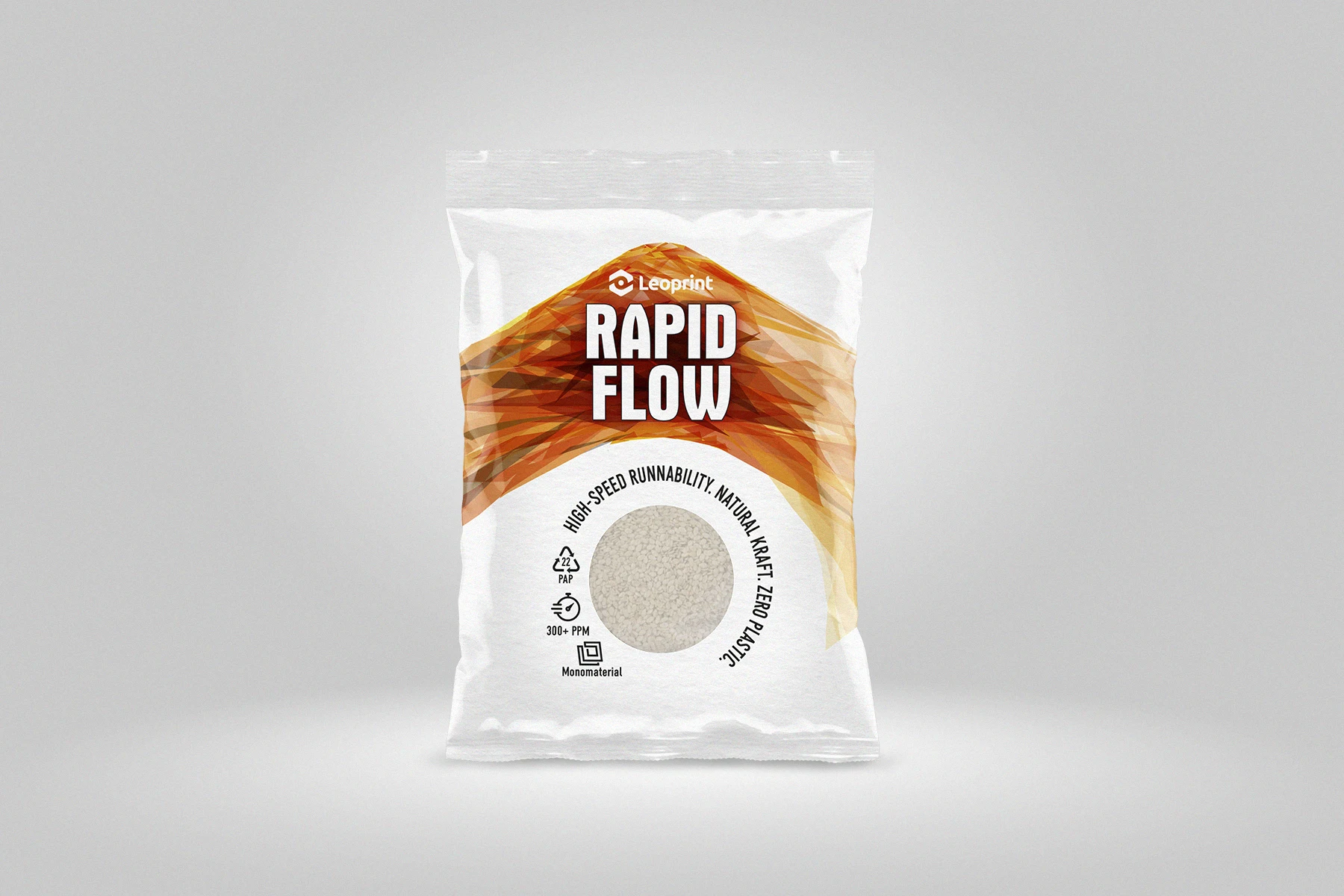
We engineered a PAP 22 kraft paper flow-pack with a crystal translucent window — a direct drop-in for BOPP/PE films, validated at 300+ PPM with zero machine modifications.
.svg)
Printing isn't magic; it's physics. We control the variables so you don't have to.

.svg)
.svg)